
A joint personal loan is a single loan that two co-borrowers apply for and repay together, allowing both applicants’ incomes and credit profiles to be considered and making both equally responsible for the debt. In practice, this can improve approval odds and terms, but it also binds both borrowers to the same obligation through joint and several liability.

What it is
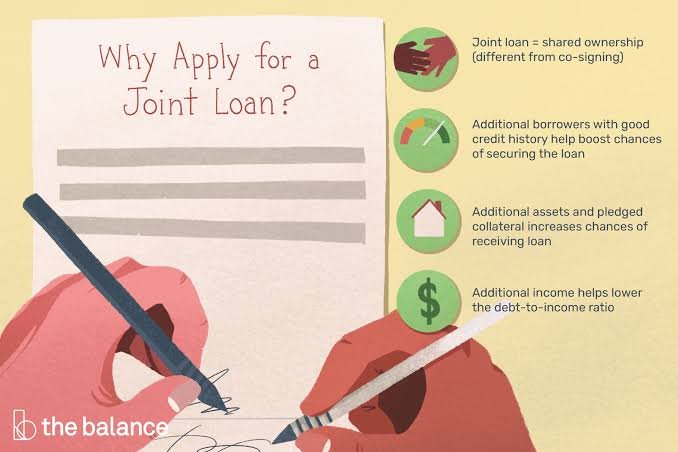
A joint personal loan involves two named borrowers on one unsecured installment loan, sharing equal rights to the funds and equal responsibility for repayment over a fixed term with interest. Unlike a co-signed loan, both applicants are primary borrowers with access to proceeds and matching liability for payments and any default consequences.

How it works
Both applicants submit a single application, and the lender evaluates combined income, employment, credit reports, and existing debts to set the loan amount, rate, and term. If approved, funds are disbursed to a designated account, and both borrowers must ensure monthly payments are made as agreed for the duration of the term. Setting up automated payments and agreeing on a repayment plan beforehand can reduce missed-payment risk.

Eligibility factors
Lenders generally assess credit scores and histories (payment track record, utilization, derogatories), income stability and level, debt-to-income ratio, and length of credit history for both borrowers. Stronger combined profiles can raise the approval ceiling and potentially lower rate offers, but any weaknesses in one profile (e.g., recent delinquencies) can still affect pricing or approval.
Pros
- Stronger approval odds: Combining incomes and solid credit histories can help qualify for amounts or terms that might be out of reach individually.
- Potentially better pricing: A higher combined credit quality and lower overall risk can translate to a lower APR and/or longer, more manageable terms.
- Shared financial burden: Two borrowers can split payments by agreement, aligning cash flow with shared goals like renovations or major purchases.
- Credit building for both: On-time payments reported for the joint account can help strengthen both borrowers’ credit profiles over time.
Cons
- Equal liability: Each borrower is fully responsible for the entire balance and any missed payments, regardless of private side agreements.
- Relationship risk: Payment disputes or a default by either party can strain relationships and complicate finances.
- Credit impact: Late payments or high balances affect both borrowers’ credit reports and scores; utilization and new debt can also raise each person’s debt-to-income ratio.
- Complexity in separation: If borrowers part ways, refinancing to remove one party isn’t guaranteed; the lender must approve a new loan in the remaining borrower’s name.

Joint loan vs. co-signed loan
- Joint loan: Both parties are primary borrowers with equal access to funds and equal liability; the account appears in both credit files, and both debt-to-income ratios reflect the payment.
- Co-signed loan: The co-signer does not receive funds or ownership benefits but promises to repay if the primary borrower fails; the account still shows on the co-signer’s credit and affects capacity.
Use cases
- Debt consolidation: Combine multiple higher-rate debts into one fixed payment, potentially lowering interest and simplifying budgeting.
- Home improvements: Fund shared renovations with a repayment plan that matches the expected benefit to both parties.
- Major purchases or life events: Cover costs like vehicles used by both borrowers, weddings, medical expenses, or relocation.

Application steps
- Align on purpose and amount: Define why the loan is needed, how much is required, and the preferred term length and target monthly payment.
- Check credit and budgets: Each borrower reviews credit reports for accuracy and calculates a sustainable payment considering existing obligations.
- Pre-qualify if available: Use soft-credit checks to preview rates and terms without score impact; compare multiple lenders’ estimated APRs and fees.
- Submit a joint application: Provide identification, income verification (pay stubs, tax returns), employment details, and bank statements as requested.
- Review and accept terms: Confirm APR, fees, payment amount, due date, prepayment policy, and any autopay discounts.
- Disbursement and repayment: Receive funds, then set up autopay and a clear payment-sharing method (e.g., each funds a joint account before due date).
Pricing and fees
Expect a fixed APR influenced by credit, income, DTI, term length, and loan amount; longer terms often mean higher total interest even if monthly payments are lower. Watch for origination fees, late fees, and possible prepayment penalties; many personal loans have no prepayment penalty, but always check the agreement.
Risk management tips
- Written repayment plan: Document who pays what, when, and how adjustments occur if incomes change; consider a shared account solely for the loan.
- Emergency buffer: Keep a small reserve to cover at least one to two payments in case of unexpected income disruptions.
- Insurance consideration: Evaluate income protection or life insurance to mitigate default risk if one borrower can’t contribute.
- Exit strategies: Discuss refinancing or early payoff options upfront, especially for couples or partners whose circumstances may change.
Impact on credit and future borrowing
The joint loan appears on both credit reports, increasing each borrower’s total obligations and potentially affecting capacity for mortgages or auto loans while it’s outstanding. Consistent on-time payments can strengthen both scores, but any late payment harms both; high balances relative to the original amount can also influence perceived risk until the loan amortizes.

When it’s a good fit
A joint personal loan suits borrowers with shared financial goals, transparent communication, and compatible credit/income profiles who want to maximize approval likelihood and pricing. It’s less suitable when one borrower’s credit is significantly impaired or when long-term financial alignment is uncertain and a co-signed or individual structure would better manage risk.
Key takeaways
- A joint personal loan leverages two profiles to potentially improve approval and pricing, while imposing equal, full liability on both borrowers.
- Success depends on candid planning, disciplined repayment, and clear agreements; the benefits can be meaningful, but so are the shared risks.
- Before applying, compare multiple offers, read all terms, and set up a practical payment process to protect both credit profiles and the relationship.