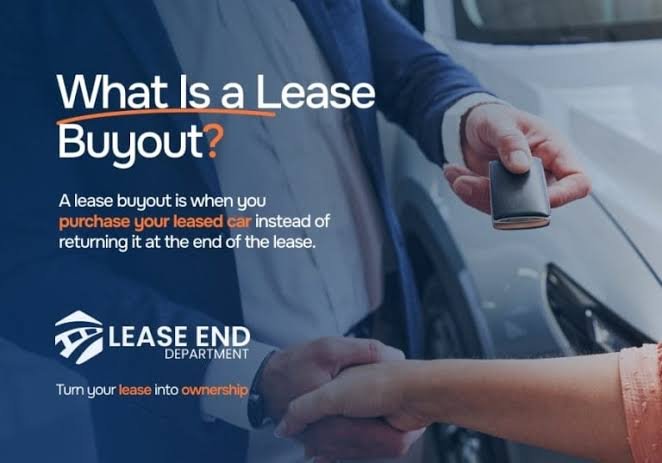
A lease buyout loan lets a lessee purchase their leased car—usually at or near the end of the lease—by financing the lease’s purchase option price (the residual value) plus applicable taxes and fees. This can be attractive when the vehicle is well‑maintained, the market value exceeds the residual, or when excess mileage/wear would trigger penalties upon return.
How a Lease Buyout Works
- Review the lease contract to find the purchase option price (residual value), buyout eligibility timing, and any administrative or purchase option fees; the residual is typically non‑negotiable and set in the original lease.
- Compare the residual to current market value using used‑car pricing guides to determine if the buyout is financially favorable.
- If proceeding, apply with a lender that offers lease buyout financing; banks and credit unions commonly handle payment to the leasing company and guide title transfer steps.
- Once funded, the lender pays the leasing company; the lessor sends the bill of sale/title, and the buyer completes DMV retitling and pays taxes/fees as required.
When a Buyout Makes Sense
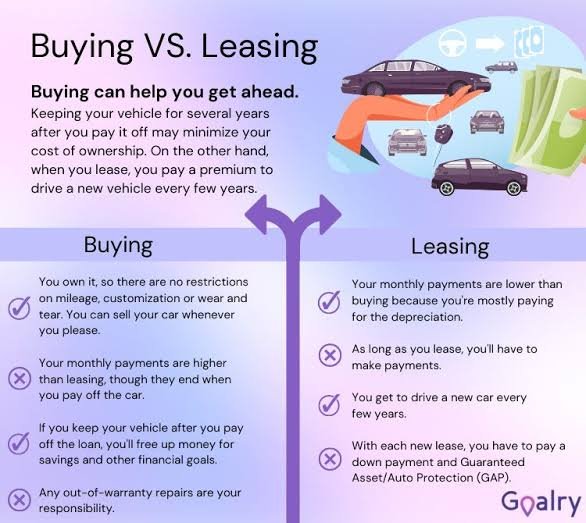
- Market value is higher than the residual: this creates instant equity and often justifies buying rather than turning in.
- High excess mileage or notable wear: buying can avoid per‑mile penalties and wear fees that can add up to hundreds or thousands at turn‑in.
- Desire to keep a known, reliable vehicle: avoiding the uncertainty of a new/used purchase, especially if maintenance history is favorable.
- Tight vehicle supply or rising prices: buyouts can be advantageous during periods of elevated used‑car prices.
Costs to Expect
- Purchase option price (residual) set in the lease, due at buyout.
- Taxes and DMV/title/registration fees, which apply when transferring ownership.
- Administrative or purchase option fees charged by the lessor, if specified in the contract.
- If buying out early (mid‑lease), some lessors may allow it but could assess early termination charges; exact treatment varies by lease and lender.
Financing Terms and Rates
- Banks and credit unions offer lease buyout loans similar to used‑car loans, often with terms ranging from 36–72 months; some credit unions advertise extended terms up to 90 months depending on model year and underwriting.
- APRs for buyout loans may be higher than for new‑car purchases; shopping multiple lenders is recommended.
- Some lenders allow flexible first payment timing and online account management after closing.
Practical Steps to Execute a Buyout
- Contact the leasing company for a payoff/buyout quote and required documents (e.g., odometer and damage disclosures, payoff letter).
- Apply with a lender that supports lease buyouts, providing standard items like ID, income proof, insurance binder, references, and the lessor payoff letter.
- After approval and funding, the lender remits the payoff to the lessor; the lessor issues the bill of sale/title; complete retitling and tax payments with the DMV.
- Set up loan payments and confirm lienholder details with your insurer and DMV as needed.

Key Considerations Before Deciding
- Mileage and wear: If over mileage limits, per‑mile penalties at turn‑in can be significant; buying can redirect that money toward ownership.
- Condition and maintenance: Post‑buyout, all maintenance and repairs become the owner’s responsibility; factor ongoing costs using resources like total‑cost‑of‑ownership estimates.
- Equity position: If the market value is below residual, a buyout may not be optimal unless non‑financial factors dominate (e.g., known history, specialized vehicle).
- Opportunity cost and interest: Longer terms lower monthly payments but increase total interest; shorter terms save interest but raise monthly outlay.
- Early buyout specifics: Mid‑lease buyouts can have different payoff math and potential fees—confirm with the lessor and lender; policies vary across finance companies.

Pros and Cons
Pros:
- Potential equity if residual < market value, avoiding markups in tight markets.
- Avoids excess mileage and wear fees at lease end.
- Keeps a known vehicle with known history, avoiding new purchase uncertainty.
Cons:
- Payments often rise versus lease payments because financing the entire residual plus taxes/fees can be higher than paying only depreciation and rent charge during a lease.
- Owner assumes full maintenance and repair costs post‑buyout.
- APRs may be higher than new‑car financing; long terms increase total interest paid.

Tips to Optimize a Buyout
- Time the buyout: End‑of‑term buyouts are straightforward; early buyouts require careful fee/interest math—ask the lessor for a detailed payoff and any fee disclosures in writing.
- Shop lenders: Compare APR, term options, and any lender fees; credit unions sometimes offer competitive rates and higher LTV tolerance for taxes/fees.
- Verify all fees: Confirm purchase option fee, administrative fees, taxes, and DMV costs up front to avoid surprises.
- Check insurance and warranty: Ensure coverage aligns with the new lienholder; consider extended protection only after comparing cost to expected repairs.
- Evaluate market value objectively: Use multiple pricing sources and real sale comps for accurate value against residual.
Example Features from Lenders
- Banks may offer streamlined buyout processes, work directly with the leasing company, and typical 36–72‑month terms, with guidance on title and DMV steps.
- Credit unions may advertise fixed rates, longer maximum terms, allowances to finance taxes/fees above 100% LTV, and hands‑on documentation assistance.
- Some lenders provide online or branch applications, flexible first‑payment dates, and caps on vehicle age/mileage for eligibility.
A lease buyout loan is most compelling when the contract residual is favorable relative to market value or when turn‑in penalties would be costly; by confirming the payoff details with the lessor, comparing independent valuation data, and shopping multiple lenders for terms and APR, it is possible to convert a lease into ownership efficiently and economically.