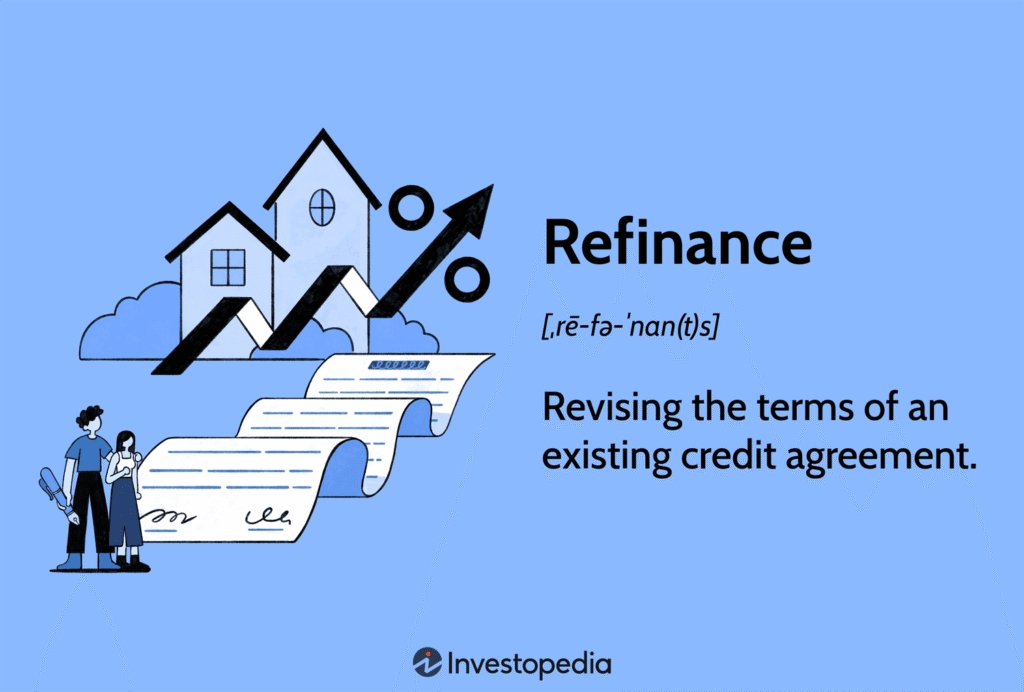
Refinancing is the process of replacing an existing loan with a new one—typically to secure better terms, change the loan type, access equity, or restructure debt. For mortgages, auto loans, and student loans, the core mechanics are similar: the new lender pays off the old loan, and the borrower begins repaying the new loan under updated terms. Below is a concise, practical guide focused on mortgages, with notes applicable to other loan types.
What Is a Refinance Loan?
A refinance loan pays off an existing debt and creates a new obligation—often with a different interest rate, repayment term, and features. In mortgages, this can also include cash-out options that convert home equity into liquid funds. Non-mortgage refinances (auto, student, personal) follow the same principle but have different fee structures and qualification standards.
Key refinance types:
- Rate-and-term refinance: Replace the old loan to change interest rate and/or term without taking cash out.
- Cash-out refinance: Borrow more than the current payoff to access equity in cash for uses like renovations or consolidation.
- Cash-in refinance: Bring cash to reduce principal and improve loan-to-value (LTV) for better pricing.
- ARM-to-fixed or fixed-to-ARM: Change the rate structure to manage risk or lower payments.
Why Refinance?
Common goals:
- Lower interest rate to reduce total interest and monthly payments.
- Shorten term (e.g., 30→15 years) to pay off faster and save interest.
- Switch from adjustable to fixed rate for payment stability, or vice versa to lower near-term cost.
- Consolidate higher-interest debts into a lower-rate mortgage via cash-out (requires discipline).
- Remove mortgage insurance by reaching required LTV.
- Access equity for renovations, investing, or large expenses.

For non-mortgage loans:
- Auto: Lower rate or change term for affordability.
- Student: Lower rate, simplify multiple loans; note federal benefit tradeoffs.
- Personal/business: Restructure expensive debt or extend runway.
Costs and the Break-Even Point
Refinancing is not free. Expect transaction costs, which for mortgages can include:
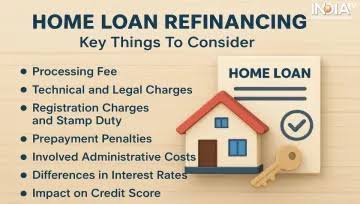
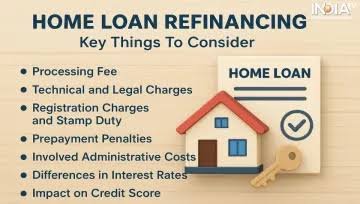
- Application/underwriting, origination, discount points (optional to buy down rate)
- Appraisal, credit report, title search/insurance, recording, flood cert, survey (varies by jurisdiction)
- Prepaid interest and escrow setup
- Potential prepayment penalties on the old loan (less common on consumer mortgages; more common in some commercial or auto contexts)
To assess viability, calculate the break-even point:
- Break-even months = Total refinance costs / Monthly savings.
- If planning to sell or refinance again before break-even, the math may not work.
- Also evaluate total interest over the life of the loan and equity build-up; extending term can lower payments but increase total interest unless offset by a substantially lower rate or higher principal prepayments.

Eligibility Factors
Lenders typically evaluate:
- Credit score and history
- Debt-to-income (DTI) ratio
- Loan-to-value (LTV) via appraisal; higher LTV means higher risk/price
- Income stability, employment, and asset reserves
- Property type and occupancy (primary vs. investment)
- Seasoning requirements (time since the last loan, on-time payments)
Improved credit, lower DTI, and more equity generally yield better terms. For cash-out, expect stricter LTV caps and pricing add-ons.
Pros
- Lower payments or interest cost: A reduced rate and/or shorter term can significantly cut total interest.
- Payment stability: Fixed rates remove interest-rate volatility risk.
- Flexibility: Cash-out to fund projects or restructure debt.
- Remove PMI/MIP when equity thresholds are met.
- Consolidation: Simplify multiple debts into one payment.
Cons
- Closing costs and fees reduce near-term savings; break-even matters.
- Resetting the amortization clock can slow principal reduction.
- Cash-out increases secured debt against the home; misuse can raise risk.
- Qualification risk: appraisal shortfalls, lower credit, or high DTI can limit benefits.
- For student loans, refinancing federal into private forfeits federal protections (income-driven repayment, forgiveness, forbearance flex).
Strategic Considerations
- Rate delta: Historically, a 0.5%–1% drop could justify a refi depending on costs and horizon, but compute precisely.
- Term alignment: If deep into the current term, consider matching remaining term or choosing a custom term to avoid ballooning total interest.
- Points vs. no-points: Buying points lowers rate but increases upfront cost; evaluate based on time-in-loan.
- Prepayment strategy: Combine a lower rate with consistent prepayments to accelerate payoff without extending term.
- Cash-out caution: Only consolidate if there’s a disciplined plan to avoid re-accumulating high-interest debt.
- Market timing: Rates fluctuate; watch central bank policy, inflation trends, and credit spreads.

Process Overview
- Define objective: Lower payment, shorten term, cash-out, fixed/ARM change.
- Check credit and DTI; correct errors and optimize where possible.
- Estimate home value (mortgage) or vehicle value (auto); consider appraisal impacts.
- Shop multiple lenders/brokers: compare rate, APR, fees, points, lock terms, and servicing quality.
- Run numbers: payment change, total interest, break-even, time horizon.
- Lock rate strategically; complete application and documentation.
- Appraisal/valuation, underwriting, conditions, final approval.
- Closing: review final disclosures; fund and pay off old loan.
- Post-close: set up autopay, confirm escrow accuracy, and track amortization.

Mortgage vs. Auto vs. Student Refinance
- Mortgage: Largest fees, deepest underwriting, big impact potential; appraisal-driven LTV is critical.
- Auto: Faster, smaller fees; watch for negative equity and term stretching that increases total cost.
- Student: Significant interest savings possible for strong credit/income, but assess loss of federal benefits.
When Not to Refinance
- Short remaining horizon where break-even won’t be reached.
- Significantly worse credit or higher market rates than current loan.
- High prepayment penalties that negate savings.
- Cash-out for nonessential spending without a disciplined plan.
- For federal student loans when federal protections are valuable.
Practical Tips for an IT/Technical Professional
- Build a spreadsheet or use a calculator to compare amortization schedules, total interest, and break-even with and without points.
- Evaluate APR, not just nominal rate, for fee-adjusted comparisons.
- Ask lenders for a complete fee itemization and credit/pricing add-ons; negotiate where possible.
- Consider a shorter custom term (e.g., 22 or 20 years) to avoid restarting a 30-year clock.
- If rates are volatile, time the lock carefully; understand lock extensions and float-down options.
- For a Brazil-based context, local mortgage products, fees, and prepayment rules differ; check Brazilian housing finance rules (e.g., SBPE, FGTS usage) and whether portability (portabilidade de crédito) offers a low-cost path to move the loan with reduced fees.

Bottom Line
Refinancing is a powerful tool when the math aligns with the plan. Quantify costs, savings, and total interest, align the term to the goal, and stress-test assumptions about time horizon and rate risk. When done deliberately—especially with disciplined budgeting and prepayments—it can accelerate payoff, reduce risk, and free cash flow for higher-priority goals.