📘 Introduction
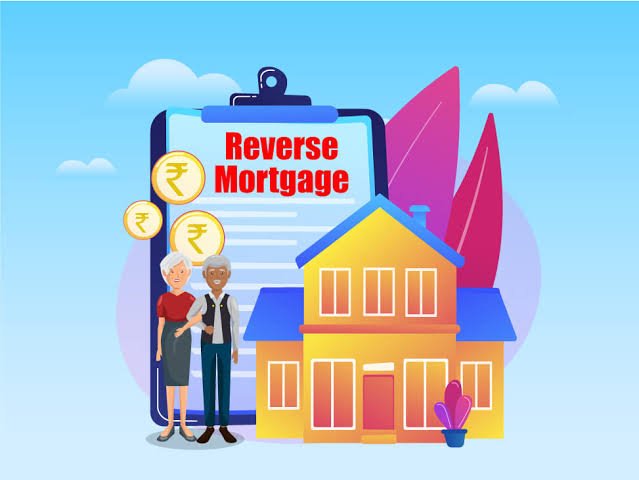
In the realm of personal finance and retirement planning, few instruments have sparked as much curiosity and controversy as the reverse mortgage. Designed for older homeowners see2king additional income, reverse mortgages offer a unique blend of liquidity, security, and flexibility by allowing individuals to tap into the equity of their homes without selling or moving out. As life expectancy increases and retirement savings fall short for many, understanding the potential of reverse mortgages becomes increasingly important.
🧠 What Is a Reverse Mortgage?
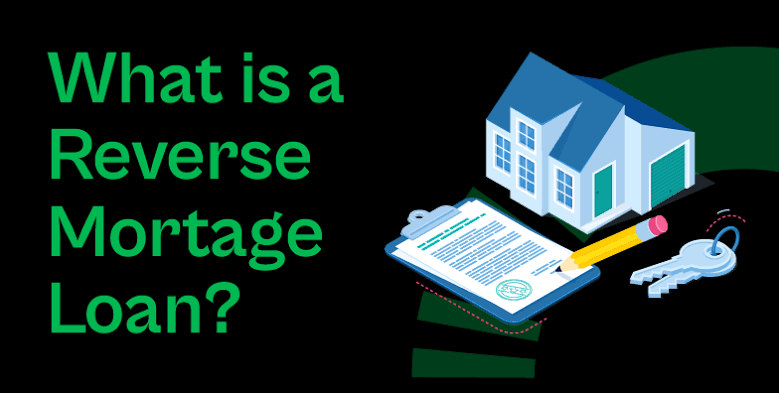
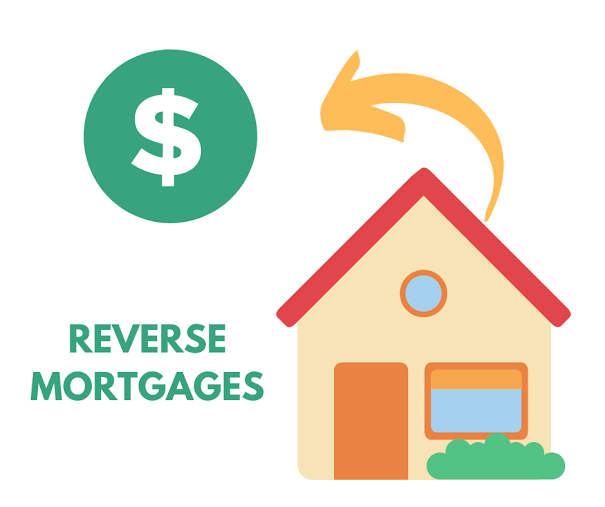
A reverse mortgage is a type of loan available to homeowners aged 62 and older that enables them to convert part of their home equity into cash. Unlike a traditional mortgage where monthly payments are made to the lender, in a reverse mortgage, the lender makes payments to the borrower.
- The loan is repaid only when:
- The borrower moves out permanently
- Sells the home
- Passes away
Reverse mortgages are primarily designed to help retirees with limited income stay in their homes while supplementing their financial needs.
🏦 Types of Reverse Mortgages
There are three major types:
| Type | Provided By | Description |
|---|---|---|
| Home Equity Conversion Mortgage (HECM) | U.S. Department of HUD (most common) | Federally insured and regulated |
| Proprietary Reverse Mortgage | Private lenders | For higher-value homes, not federally backed |
| Single-Purpose Reverse Mortgage | State/local agencies, nonprofits | Specific use like home repairs or taxes |
The HECM is the most popular type and offers protections such as mandatory counseling and capped fees.
💡 How It Works
Here’s a simplified breakdown:
- Homeowner applies for a reverse mortgage.
- Appraisal is done to determine home value.
- Lender calculates available loan amount based on age, home value, and interest rates.
- Borrower chooses how to receive funds:
- Lump sum
- Monthly payments
- Line of credit
- Combination
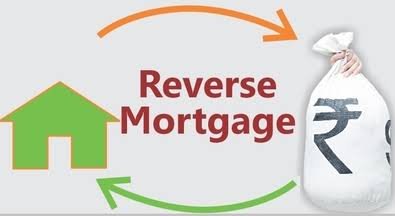
Interest accrues over time, and the total loan balance grows. No payments are required until the triggering event occurs.
📋 Eligibility Criteria
To qualify for a reverse mortgage, certain conditions must be met:
- Age 62 or older
- Home must be primary residence
- Must have significant equity (usually 50%+)
- Must be able to pay property taxes, insurance, and maintenance
- Must undergo HUD-approved counseling
Notably, mobile homes and co-ops may not qualify unless they meet specific HUD requirements.
💰 Costs and Fees
Reverse mortgages involve several fees:
- Origination fees
- Closing costs
- Mortgage Insurance Premium (MIP) for HECMs
- Servicing fees
These are typically rolled into the loan itself and deducted from proceeds. Compared to traditional mortgages, reverse mortgages may have higher upfront costs.

🧮 How Much Can You Borrow?
The loan amount depends on:
- Age of borrower
- Appraised home value
- Current interest rates
- Loan type
For example, older borrowers may receive a higher percentage of home value due to shorter expected loan duration.
🔄 Repayment Rules
Repayment is deferred until the homeowner:
- Moves out permanently
- Sells the home
- Passes away
At that point, the loan—including accumulated interest—must be repaid. Usually, the home is sold and proceeds cover the debt. If the home sells for more than the loan, excess money goes to the borrower or estate.
If the sale doesn’t cover the full loan, federally insured reverse mortgages (HECMs) do not require repayment beyond home value, protecting borrowers and heirs.
⚖️ Pros and Cons of Reverse Mortgages
✅ Pros
- No monthly payments required
- Converts home equity into cash
- Tax-free proceeds
- Offers flexible disbursement options
- Can delay social security benefits, increasing payouts later
❌ Cons
- Reduces home equity over time
- High upfront fees
- Interest compounds, growing loan balance
- Inheritance may be impacted
- Risk of foreclosure if taxes or insurance aren’t paid
🧠 Common Misconceptions
Despite being a legitimate financial product, reverse mortgages are often misunderstood:
| Myth | Reality |
|---|---|
| Bank owns your home | You retain ownership; the loan is just against equity |
| It’s free money | It’s a loan with interest and fees, not a grant |
| Heirs lose everything | Heirs can sell or refinance to keep the home |
| Only for desperate seniors | Also used for smart retirement planning and wealth management |
📖 Case Study: The Power of Strategic Use
Imagine Asha, a 70-year-old widow in Odisha with a ₹1.2 crore home but limited pension. She takes out a HECM reverse mortgage for ₹60 lakh, structured as monthly payments of ₹30,000.
- She pays no EMI
- Uses the funds for medical expenses and travel
- Her children inherit the home, sell it, repay the loan, and retain ₹20 lakh surplus
Proper planning made it a lifeline—not a burden.
📊 Alternatives to Reverse Mortgages
Before committing, explore other options:
| Option | Pros | Cons |
|---|---|---|
| Home Equity Loan | Lower fees, fixed repayment | Requires monthly payments |
| Refinance Mortgage | Reduces monthly burden | May reset loan term |
| Sell and Downsize | Unlocks equity, cuts costs | Emotional loss of longtime home |
| Rent Property | Passive income potential | Needs management effort |
Reverse mortgages work best when other options are impractical or undesirable.
🔮 The Future Outlook
As life expectancy rises and retirement savings stagnate, reverse mortgages may become a key financial strategy for aging populations. Governments and lenders are improving educational efforts and implementing regulatory safeguards to reduce risks.
Emerging fintech companies are also working on AI-powered mortgage assessments, simplifying the reverse mortgage application and approval process.
🏁 Conclusion
Reverse mortgages, while complex, offer a valuable financial option for seniors seeking to maintain independence, liquidity, and quality of life. With proper education, counseling, and strategic planning, they can transform dormant home equity into active retirement security.
Like any financial decision, reverse mortgages require thoughtful evaluation—but for many, they’re not just a loan—they’re a pathway to dignity, comfort, and freedom in the later chapters of life.
Want a comparison chart with home equity loans or a visual flow of how reverse mortgages work next, Dex?