Personal loans are one of the most versatile financial tools available today. They allow individuals to borrow a fixed amount of money from banks, credit unions, or online lenders and repay it over time with interest. Whether it’s consolidating debt, covering medical expenses, or funding a major purchase, personal loans can provide quick access to funds without requiring collateral in most cases.

💡 What is a Personal Loan?
A personal loan is an unsecured loan, meaning you don’t need to pledge assets like your home or car as security. Instead, lenders evaluate your credit score, income, and repayment history to determine eligibility. Loan amounts typically range from a few thousand to several lakhs (or tens of thousands of dollars globally), with repayment terms spanning 1–7 years.
📊 Key Features of Personal Loans
- Fixed Loan Amount: Borrowers receive a lump sum upfront.
- Repayment Tenure: Monthly installments (EMIs) are spread across the agreed term.
- Interest Rates: Rates vary depending on creditworthiness and lender policies.
- Unsecured Nature: No collateral required, but strong credit history is essential.
🏦 Common Uses of Personal Loans
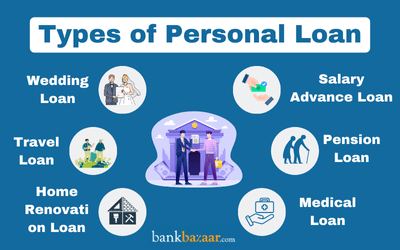
- Debt Consolidation: Combining multiple debts into one manageable payment.
- Medical Expenses: Covering emergencies or planned treatments.
- Home Renovation: Financing repairs or upgrades.
- Education: Supplementing tuition or study abroad costs.
- Travel: Funding vacations or destination weddings.

⚖️ Advantages of Personal Loans
- Flexibility: Can be used for almost any purpose.
- No Collateral: Reduces risk for borrowers.
- Predictable Payments: Fixed EMIs make budgeting easier.
- Quick Disbursal: Funds are often released within days.
⚠️ Disadvantages of Personal Loans
- High Interest Rates: Especially for borrowers with poor credit.
- Strict Eligibility: Requires strong financial history.
- Debt Trap Risk: Mismanagement can lead to financial strain.
- Prepayment Penalties: Some lenders charge fees for early repayment.

📋 How to Apply for a Personal Loan
- Check Eligibility: Review credit score, income, and age requirements.
- Compare Lenders: Evaluate interest rates, fees, and repayment terms.
- Submit Documents: Identity proof, income proof, and bank statements.
- Loan Approval: Lender reviews application and creditworthiness.
- Disbursal: Funds transferred to borrower’s account.
📈 Tips for Managing Personal Loans
- Borrow Responsibly: Only take what you can repay.
- Maintain Good Credit: Timely payments improve future loan eligibility.
- Avoid Multiple Loans: Prevents overburdening finances.
- Read Terms Carefully: Understand hidden charges and penalties.

✅ Conclusion: Summary
Personal loans are a powerful financial instrument when used wisely. They provide flexibility, quick access to funds, and predictable repayment structures. However, borrowers must remain cautious about interest rates, eligibility requirements, and repayment discipline. In summary, personal loans can be a lifeline during financial needs, but responsible borrowing and careful planning are essential to ensure they remain a tool for empowerment rather than a burden.