Student loans are one of the most common financial tools used by individuals to pursue higher education. They provide access to funds that cover tuition fees, living expenses, books, and other academic costs, enabling students to focus on their studies without immediate financial burden. However, understanding how student loans work, their types, repayment options, and long-term impact is crucial for making informed decisions.

What Are Student Loans?
Student loans are borrowed funds from banks, government institutions, or private lenders that must be repaid with interest. Unlike scholarships or grants, loans are not free money. They are designed to bridge the gap between the cost of education and what a student or their family can afford.

Types of Student Loans
- Federal Student Loans: Offered by the government, these loans usually have lower interest rates and flexible repayment options. Examples include Direct Subsidized Loans and Direct Unsubsidized Loans.
- Private Student Loans: Provided by banks or financial institutions, these loans often depend on credit scores and may have higher interest rates.
- Parent PLUS Loans: Federal loans that allow parents to borrow on behalf of their children.
- Consolidation Loans: These combine multiple loans into one, simplifying repayment.
Key Features of Student Loans
- Interest Rates: Federal loans often have fixed rates, while private loans may vary.
- Grace Period: Many loans allow a grace period after graduation before repayment begins.
- Repayment Terms: Ranging from 10 to 30 years, depending on the loan type.
- Eligibility: Based on financial need, credit history, or enrollment status.
Impact of Student Loans on Students
- Accessibility: Makes higher education possible for millions who otherwise couldn’t afford it.
- Debt Burden: Long-term repayment can affect financial stability after graduation.
- Career Choices: Some graduates choose higher-paying jobs to manage loan repayment.
- Credit Score: Timely repayment builds credit history, while defaults damage it
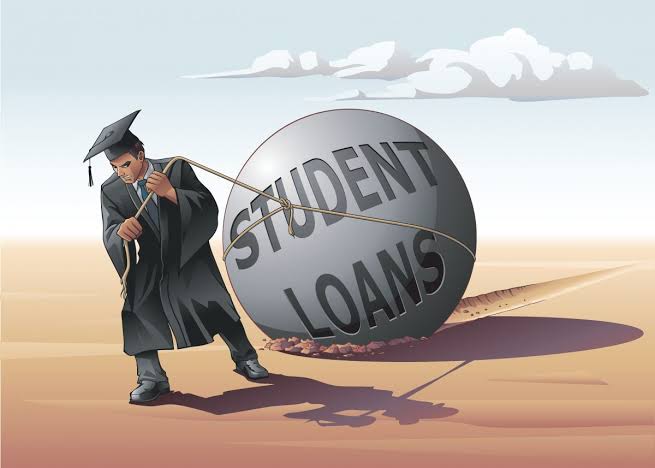
Repayment Options
- Standard Repayment Plan: Fixed monthly payments over 10 years.
- Income-Driven Repayment: Payments are based on income and family size.
- Graduated Repayment Plan: Payments start low and increase over time.
- Loan Forgiveness Programs: Certain careers, like teaching or public service, may qualify for loan forgiveness.
Pros and Cons of Student Loans
- Pros:
- Provides access to higher education
- Builds credit history
- Flexible repayment options
- Grace period after graduation
- Cons:
- Long-term debt burden
- Interest accumulation
- May affect career choices
- Risk of default
Tips for Managing Student Loans
- Borrow only what you need
- Understand interest rates
- Explore forgiveness programs
- Make early payments
- Stay informed
Conclusion: Summary
Student loans are both a gateway to education and a financial responsibility that requires careful planning. They empower students to pursue academic dreams but also demand disciplined repayment strategies. By understanding loan types, repayment options, and long-term impacts, borrowers can make smarter financial decisions. In short, student loans are a powerful tool when managed wisely, but they must be approached with caution and foresight.
Would you like me to expand this into a step-by-step repayment strategy or a comparison of student loans vs scholarships?Export← Edit input